
Contents
Overview
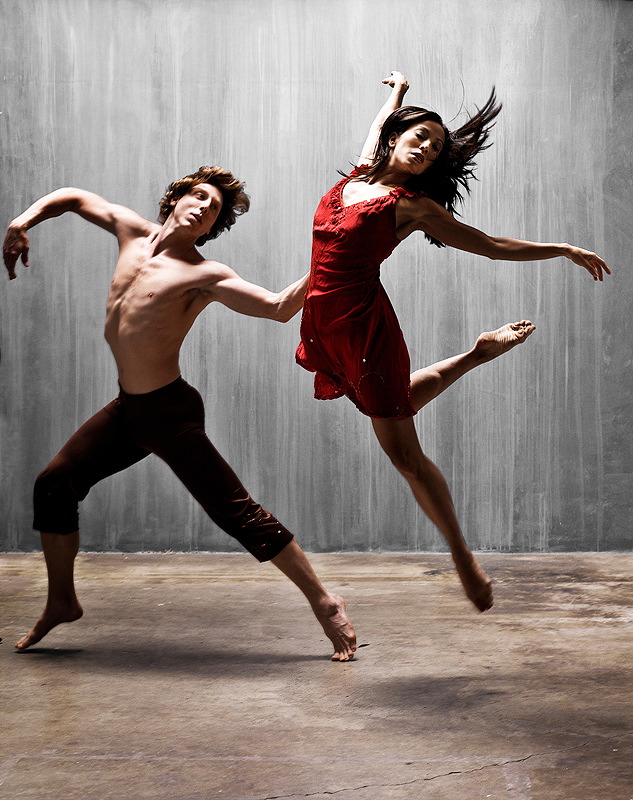
Dance performances are a universal language, conveying emotions, telling stories, and expressing cultural heritage through a diverse range of styles and techniques. According to the National Endowment for the Arts, dance is a significant contributor to the cultural and economic landscape. As a form of expression, dance has the power to unite people across cultures, ages, and backgrounds. With its unique ability to evoke emotions, spark imagination, and inspire creativity, dance performances continue to captivate audiences, pushing the boundaries of artistic innovation and cultural exchange.
🎵 Origins & History
The history of dance is complex and multifaceted. The evolution of dance has been shaped by various cultural and historical contexts.
⚙️ How It Works
Dance performances involve a combination of physical movement, music, and emotional expression, with dancers using various techniques to convey meaning and tell stories. The process of creating a dance performance involves Choreography, Rehearsal, and Costume Design. Dancers must possess a range of skills, including Technique, Musicality, and Expression. The role of the Choreographer is crucial in shaping the overall vision and direction of the performance. Dance performances can be staged in various settings, from traditional Theaters to outdoor spaces and digital platforms. The use of technology, such as Virtual Reality and Augmented Reality, is becoming increasingly popular in dance performances, allowing for new and innovative ways to engage audiences.
📊 Key Facts & Numbers
The rise of digital platforms has led to an increase in online dance classes. The most popular dance styles are reportedly Ballet, Contemporary Dance, and Hip-Hop.
👥 Key People & Organizations
Pioneers like Martha Graham and Alvin Ailey have played a significant role in shaping the modern dance landscape. Contemporary choreographers, such as Twyla Tharp and William Forsythe, continue to push the boundaries of the art form.
🌍 Cultural Impact & Influence
Dance performances have had a profound impact on popular culture, with dance styles and moves being incorporated into music videos, films, and television shows. The influence of dance can be seen in the work of artists, such as Andy Warhol and Pablo Picasso, who have used dance as a source of inspiration. Dance has also played a significant role in shaping social and cultural norms, with dance forms like Hip-Hop and Breakdancing emerging as powerful expressions of identity and community. The therapeutic benefits of dance have been recognized, with dance being used as a form of therapy for individuals with physical and mental disabilities.
⚡ Current State & Latest Developments
The current state of dance performances is one of innovation and experimentation, with the rise of digital platforms and social media changing the way dance is created, consumed, and interacted with. The use of technology, such as Virtual Reality and Augmented Reality, is becoming increasingly popular in dance performances, allowing for new and innovative ways to engage audiences.
🤔 Controversies & Debates
One of the current controversies in the dance world is the issue of diversity and representation, with many dance companies and organizations being criticized for their lack of diversity and inclusion. The use of technology in dance performances has also raised concerns about the role of the dancer and the impact on the art form. The commercialization of dance has been a topic of debate, with some arguing that it undermines the artistic value of the art form. The issue of cultural appropriation has also been a topic of discussion, with some dance forms and styles being accused of being culturally insensitive or appropriative.
🔮 Future Outlook & Predictions
The future of dance performances looks bright, with new and innovative works being created, and the art form continuing to evolve and adapt to changing times. The use of technology, such as Virtual Reality and Augmented Reality, is expected to become more prevalent in dance performances, allowing for new and innovative ways to engage audiences.
💡 Practical Applications
Dance performances have a wide range of practical applications, from entertainment and education to therapy and social activism. Dance is used as a form of exercise and physical activity, with many people taking dance classes to improve their physical health and well-being. Dance is also used as a form of therapy, with many dance therapists using dance to help individuals with physical and mental disabilities.
Key Facts
- Category
- performing-arts
- Type
- concept